

01
Unhurried
Time to ask, understand and feel heard.
Specialist paediatric care
Paediatric care built around curiosity, connection and the belief that every child’s story deserves to be understood.
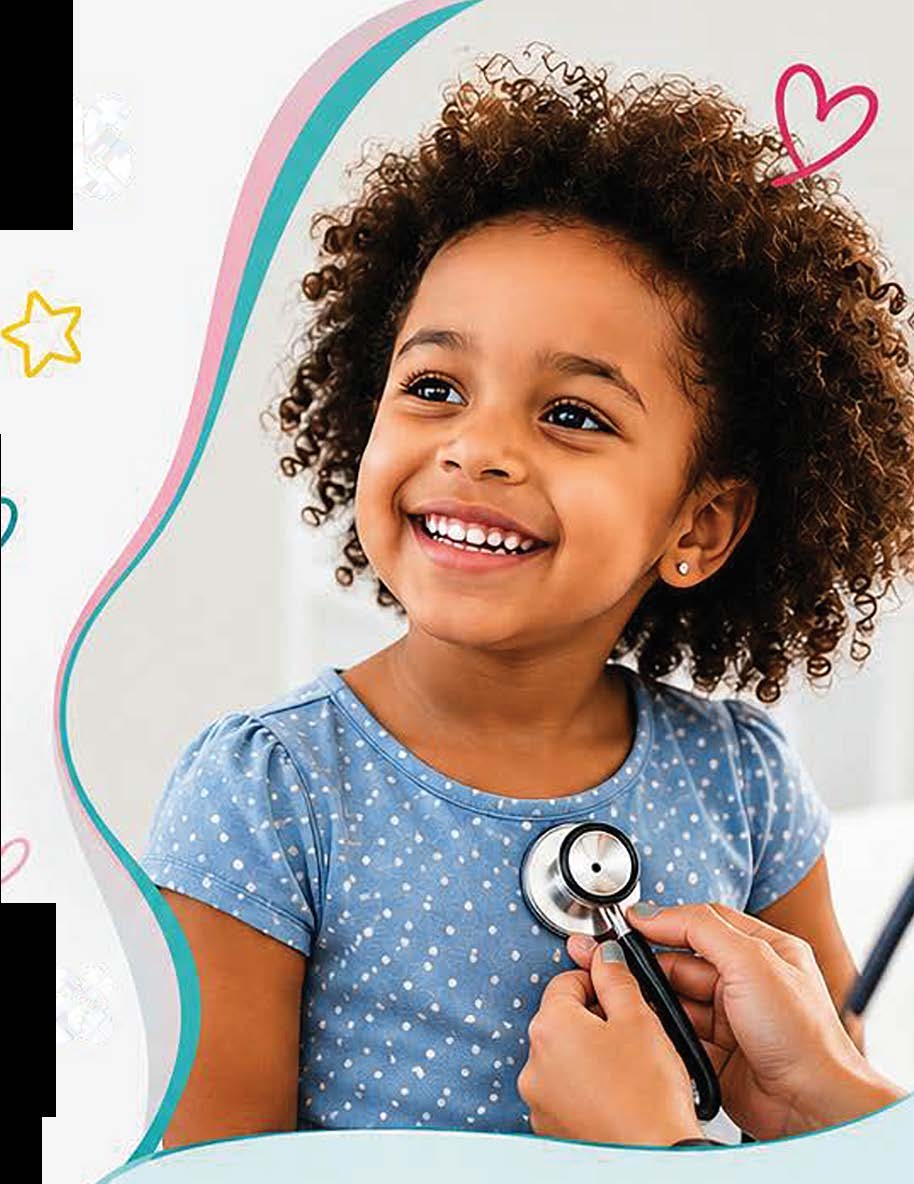

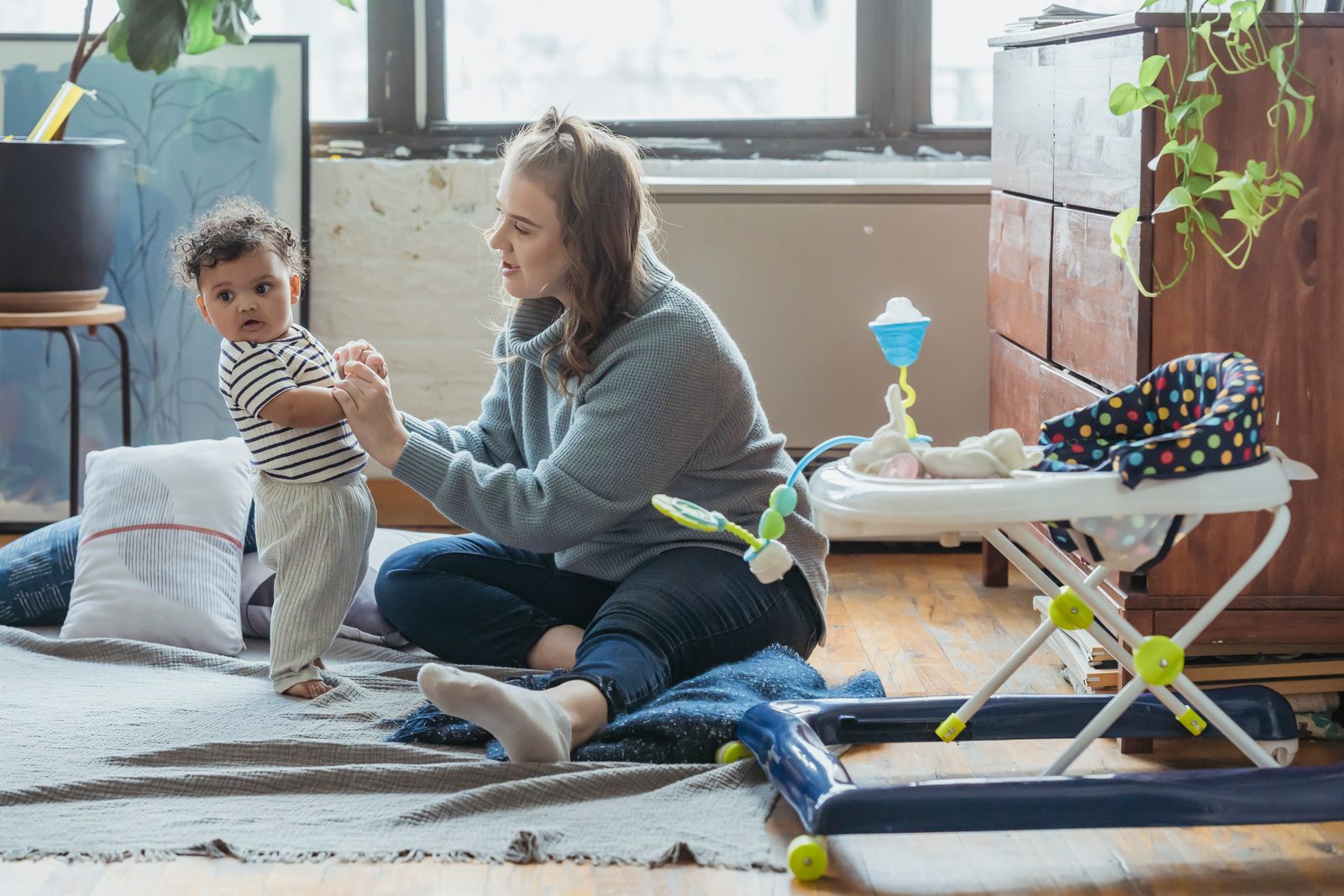

“Children thrive when care feels like a partnership.”
The Adams approach
Clinical knowledge matters. So does how a child and their family feel in the room.
01
Time to ask, understand and feel heard.
02
Health, development and family context together.
03
Clear collaboration with your wider care team.
Ways we can help
From the first newborn check to complex care, every plan is made around the child in front of us.
01
Newborn checks, early feeding support and calm guidance through the first weeks.
02
Responsive caregiving, skin-to-skin support and healthy emotional foundations.
03
Early intervention and whole-child developmental care for growing minds.
04
Respiratory care and practical strategies to reduce allergy risk in infancy.
05
Nutrition and neuro-immune gut health strategies for strong foundations.
06
Thoughtful problem-solving for epilepsy, diabetes, gastroenterology and complex cases.
Parent journal
Clear, compassionate notes inspired by Dr Adams's clinical interests in attachment, development and preventative paediatric care.
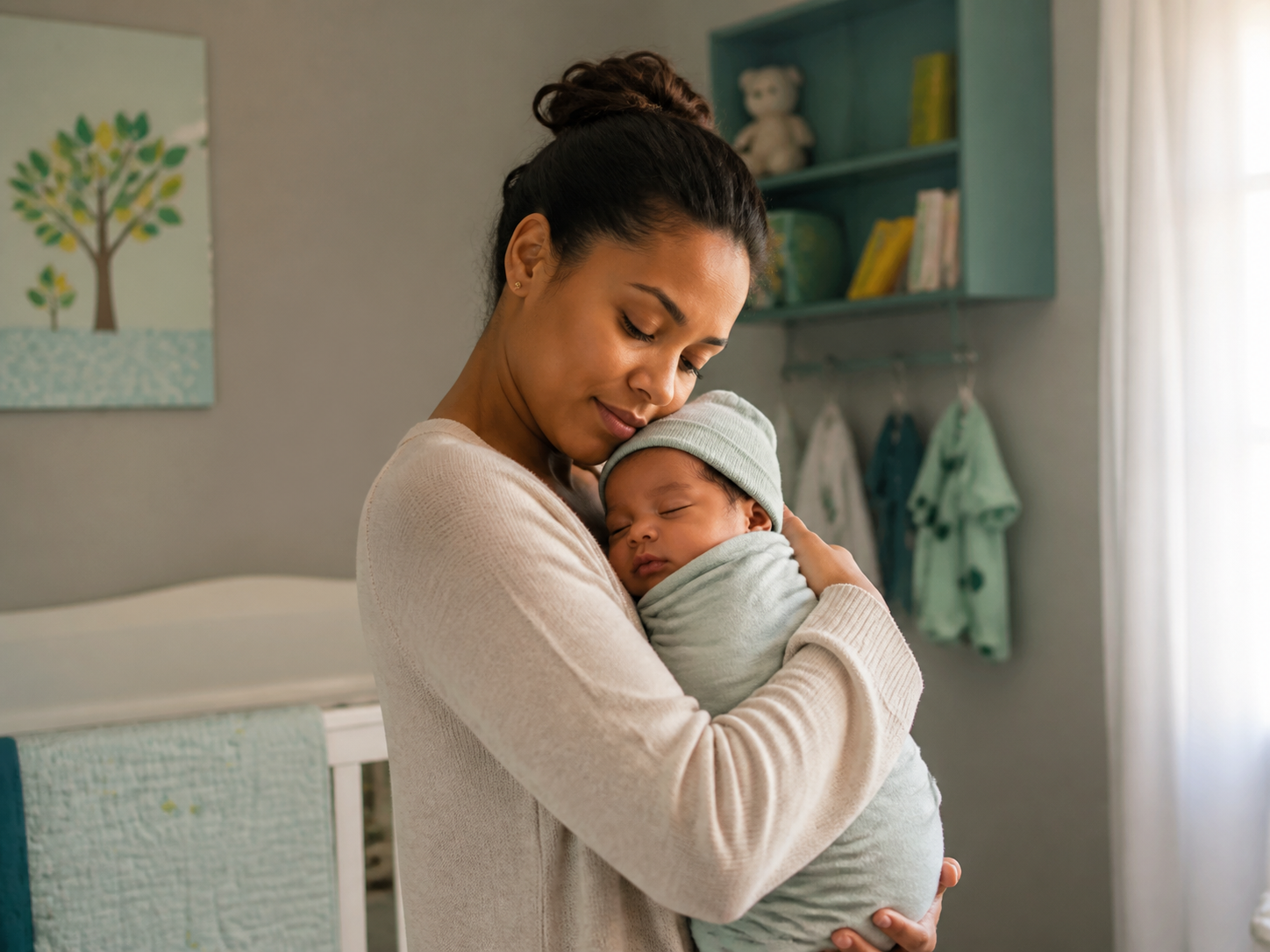 Bonding & newbornsWhy skin-to-skin contact mattersCalm, responsive contact supports bonding, feeding and early regulation.Read journal note →
Skin-to-skin contact can help a baby remain calm and supports the early relationship between caregiver and child. Consistent, responsive care matters more than perfection.
If feeding or bonding feels difficult, ask for support early. Every family's circumstances are different.
 Early developmentHow connection shapes the developing brainSmall, repeated moments of connection build safety, curiosity and confidence.Read journal note →
During the first year, babies increasingly recognise familiar faces, respond to conversation and use trusted caregivers as a secure base for exploration.
Warm face-to-face interaction, comforting touch and repair after difficult moments all contribute to healthy emotional development.
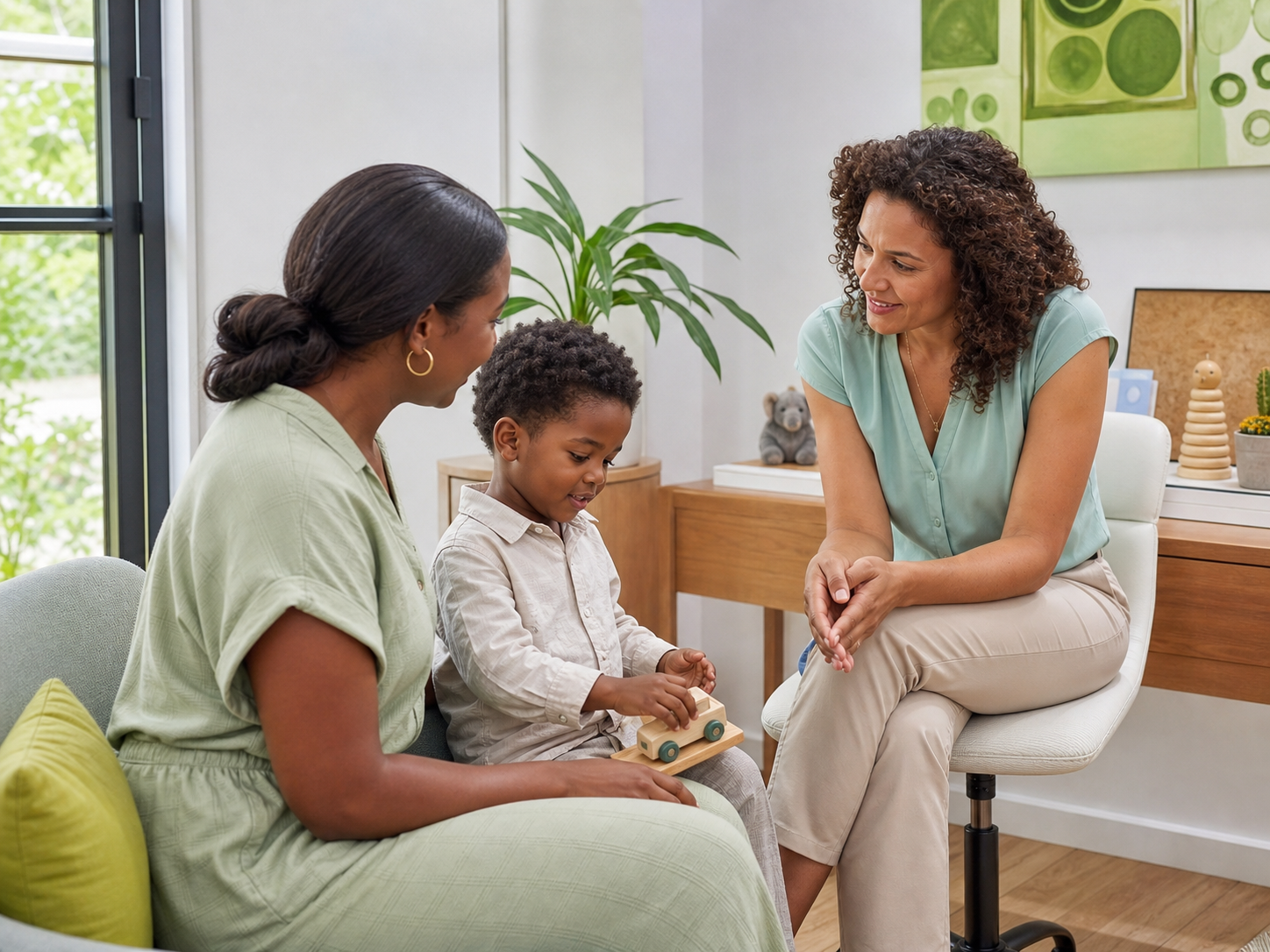 Whole-child careWhen development deserves a closer lookEarly questions are welcome - from attention and learning to movement and behaviour.Read journal note →
Development is not one-size-fits-all. A specialist review can bring clarity when parents have concerns about milestones, attention, behaviour, learning or neurological symptoms.
Dr Adams's interests include early intervention, ADHD, neurodevelopmental immunology, epilepsy and complex paediatric care.
General educational information only. Please contact the practice for advice about an individual child.
Meet the paediatrician
A general paediatrician in private practice with a compassionate, culturally aware approach and a passion for complex problem-solving, attachment, neurodevelopment and reducing avoidable hospital admissions.
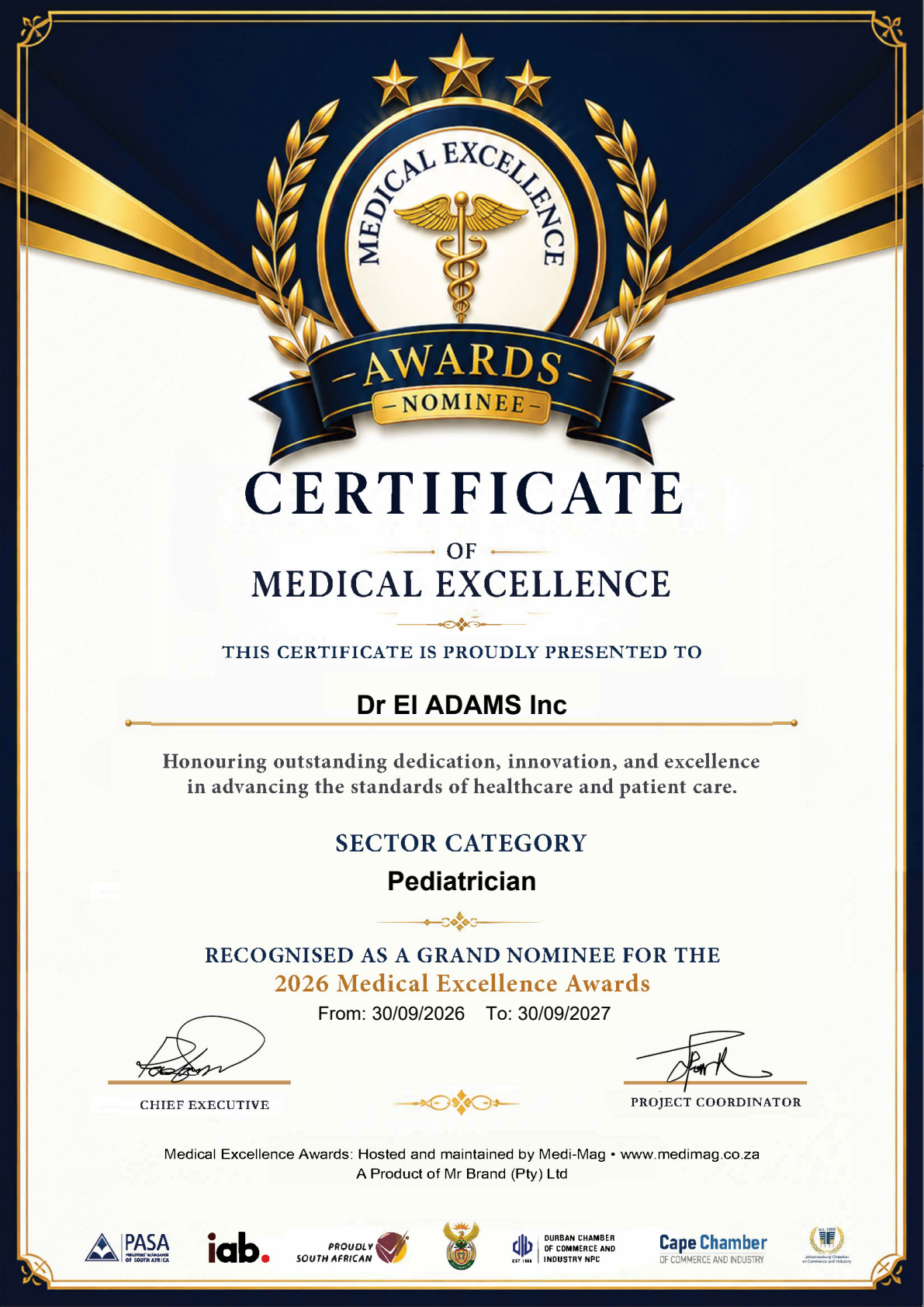
Professional recognition
Dr EI Adams Inc has been recognised in the Pediatrician category for outstanding dedication, innovation and excellence in healthcare and patient care.
Medical spotlight
The science of nurture and attachment: how secure bonding, skin-to-skin contact and generational healing shape a child's lifelong mental health, with Dr E.I. Adams.
In South Africa, the institutionalised system of apartheid reshaped the family structures of the Black majority, often placing grandmothers at the centre of childcare as a survival strategy. Homes were fractured, and the psychological and socio-economic effects of that disruption continue to echo across generations.
Through it all, grandmothers played an indispensable role in keeping family units alive, helping to shape the foundational social philosophy of Ubuntu - the belief that our humanity is bound up in one another.
Emerging research in epigenetics suggests that this transgenerational trauma may leave a biological signature, altering maternal stress-response mechanisms in ways that can be passed down the generations. Some born-free grandchildren may inherit a more sensitive nervous system, carrying a higher biological vulnerability to anxiety, panic and depression.
The encouraging news is that research increasingly points to these changes as modifiable. Secure, consistent nurturing has the power to help reset stress-related biological markers in both mother and baby.
The World Health Organization's Baby-Friendly Hospital Initiative, introduced in 1991, recognised what generations of mothers already knew instinctively: babies are born knowing how to breastfeed. When a mother is calm, patient and responsive to her baby's cues, the baby will guide her toward successful breastfeeding. Skin-to-skin contact should be practised as consistently as possible.
Skin-to-skin contact helps a baby stay calm, grow and develop. Separation from a primary caregiver can trigger a survival response and raised cortisol levels, a pattern echoed throughout the animal kingdom, where mother and infant are rarely apart in the earliest days of life.
The presence of a synchronised mother is of the utmost importance for the future developing mental health of the infant.
In the skin, specialised C-tactile receptors act as a biological gateway to the brain's endorphin and oxytocin systems, translating physical touch into emotional wellbeing. These receptors are optimised for social bonding, nurturing and comfort, while helping to dampen pain signals.
Every skin-to-skin moment activates the baby's brain reward system, engaging the posterior insular cortex and orbitofrontal cortex alongside a dual hormonal cascade of oxytocin, which solidifies the bond between mother and baby while helping to regulate stress.
Shame is one of the least tolerable emotions we experience - and one of our most powerful teachers. When a toddler's joyful exploration meets a disapproving glance, he experiences a sudden, disorganising shift and reorients back to mom to repair the rupture.
A caregiver who helps regulate this painful state teaches a child, over time, to modulate his own behaviour and learn from mistakes without being defined by them.
This is the essence of synchronised, responsive caregiving: not perfection, but consistent presence and repair. It is this presence - physical, emotional and generational - that lays the foundation for a child's lifelong mental health.
For appointments, referrals and guidance regarding an individual child, please contact the practice directly.
Request an appointmentOriginally published by Medi-Mag. Republished on the practice website with attribution.
Professional referrals
Get in touch
Appointment enquiries, professional referrals and general practice information.
47 Grove Street, Trichardt, Mpumalanga