 Dr E.I. Adams
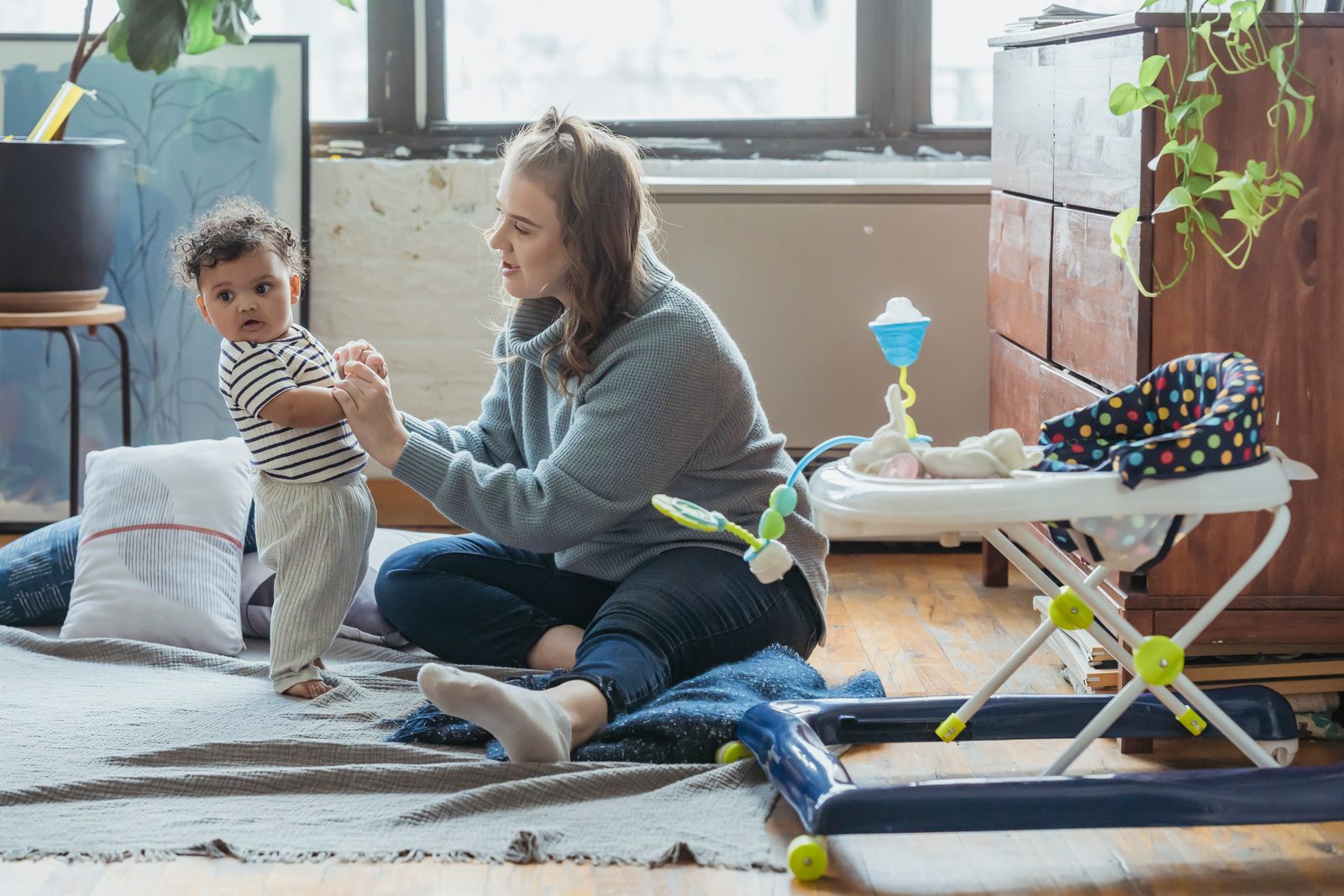
In South Africa, the institutionalised system of apartheid reshaped the family structures of the Black majority, often placing grandmothers at the centre of childcare as a survival strategy. Homes were fractured, and the psychological and socio-economic effects of that disruption continue to echo across generations.
Through it all, grandmothers played an indispensable role in keeping family units alive, helping to shape the foundational social philosophy of Ubuntu - the belief that our humanity is bound up in one another.
Emerging research in epigenetics suggests that this transgenerational trauma may leave a biological signature, altering maternal stress-response mechanisms in ways that can be passed down the generations. Some born-free grandchildren may inherit a more sensitive nervous system, carrying a higher biological vulnerability to anxiety, panic and depression.
The encouraging news is that research increasingly points to these changes as modifiable. Secure, consistent nurturing has the power to help reset stress-related biological markers in both mother and baby.
The science of skin-to-skin contact
The World Health Organization's Baby-Friendly Hospital Initiative, introduced in 1991, recognised what generations of mothers already knew instinctively: babies are born knowing how to breastfeed. When a mother is calm, patient and responsive to her baby's cues, the baby will guide her toward successful breastfeeding. Skin-to-skin contact should be practised as consistently as possible.
Skin-to-skin contact helps a baby stay calm, grow and develop. Separation from a primary caregiver can trigger a survival response and raised cortisol levels, a pattern echoed throughout the animal kingdom, where mother and infant are rarely apart in the earliest days of life.
The presence of a synchronised mother is of the utmost importance for the future developing mental health of the infant.
Touch, bonding and the infant brain
In the skin, specialised C-tactile receptors act as a biological gateway to the brain's endorphin and oxytocin systems, translating physical touch into emotional wellbeing. These receptors are optimised for social bonding, nurturing and comfort, while helping to dampen pain signals.
Every skin-to-skin moment activates the baby's brain reward system, engaging the posterior insular cortex and orbitofrontal cortex alongside a dual hormonal cascade of oxytocin, which solidifies the bond between mother and baby while helping to regulate stress.
A bonding timeline: how connection shapes the brain
- 8 weeks: the visual cortex matures, and mom's expressive face becomes the most powerful stimulus in the baby's world.
- 2-3 months: the default mode network begins helping baby judge whether mom is safe, predictable and someone to attach to.
- 3 months: mother and baby begin having short conversations; synchrony teaches baby that he is an individual who owns his own body.
- 4 months: the nervous system, gut and immune system develop in tandem, alongside the introduction of age-appropriate complementary feeding under medical guidance.
- 10 months: repeated face-to-face bonding drives dopamine and endorphin release, and baby becomes deeply attached, motivated to explore and learn.
- 14 months: toddlers first experience shame during attachment ruptures; how mother helps repair this moment shapes future emotional regulation.
Why secure attachment matters for mental health
Shame is one of the least tolerable emotions we experience - and one of our most powerful teachers. When a toddler's joyful exploration meets a disapproving glance, he experiences a sudden, disorganising shift and reorients back to mom to repair the rupture.
A caregiver who helps regulate this painful state teaches a child, over time, to modulate his own behaviour and learn from mistakes without being defined by them.
This is the essence of synchronised, responsive caregiving: not perfection, but consistent presence and repair. It is this presence - physical, emotional and generational - that lays the foundation for a child's lifelong mental health.
Questions are welcome.
For appointments, referrals and guidance regarding an individual child, please contact the practice directly.
Request an appointment